
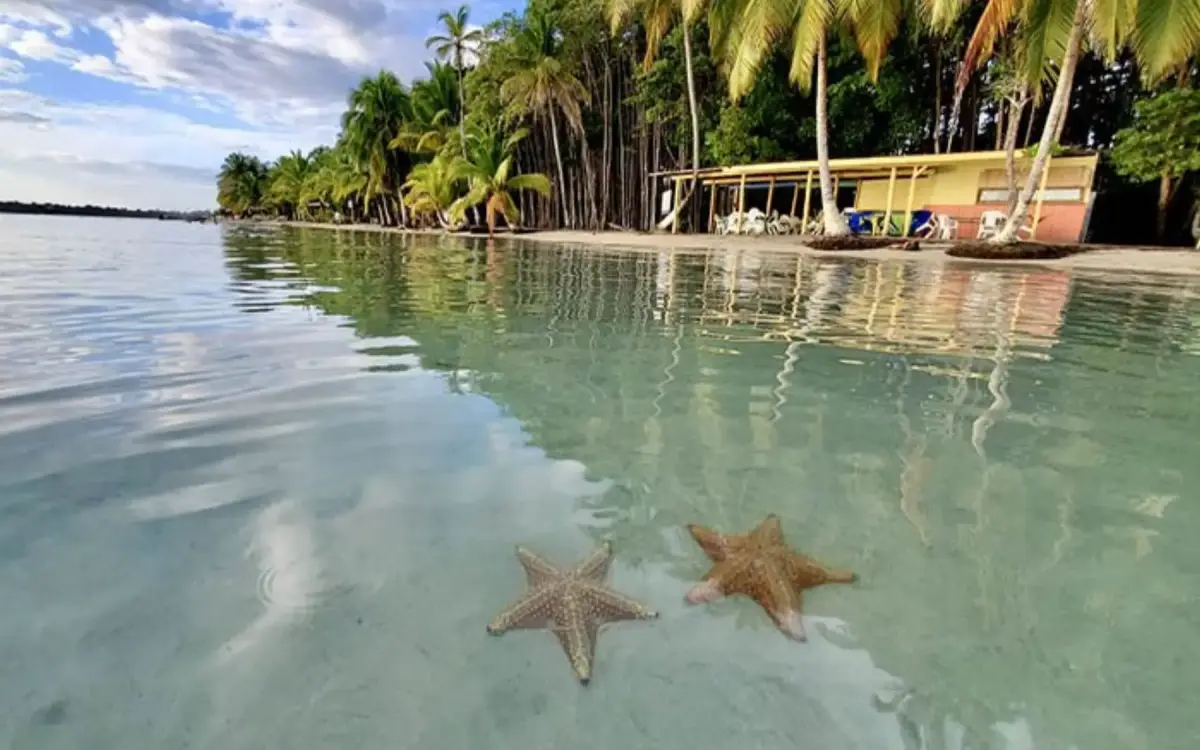
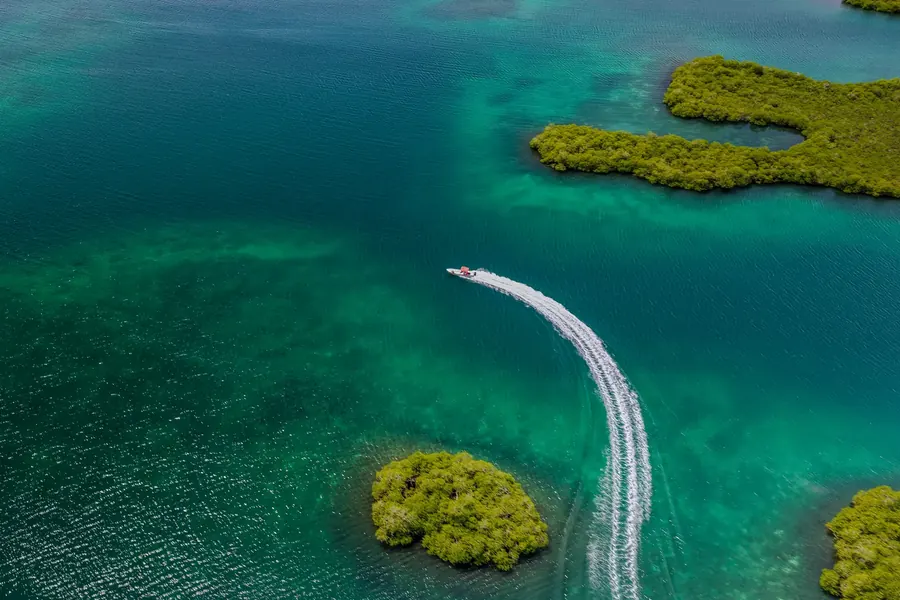
Bocas del Toro is a rainforest meeting a coral sea, so the wildlife shows up in the trees, on the sand and in the water, often within the same morning boat ride.
Sloths
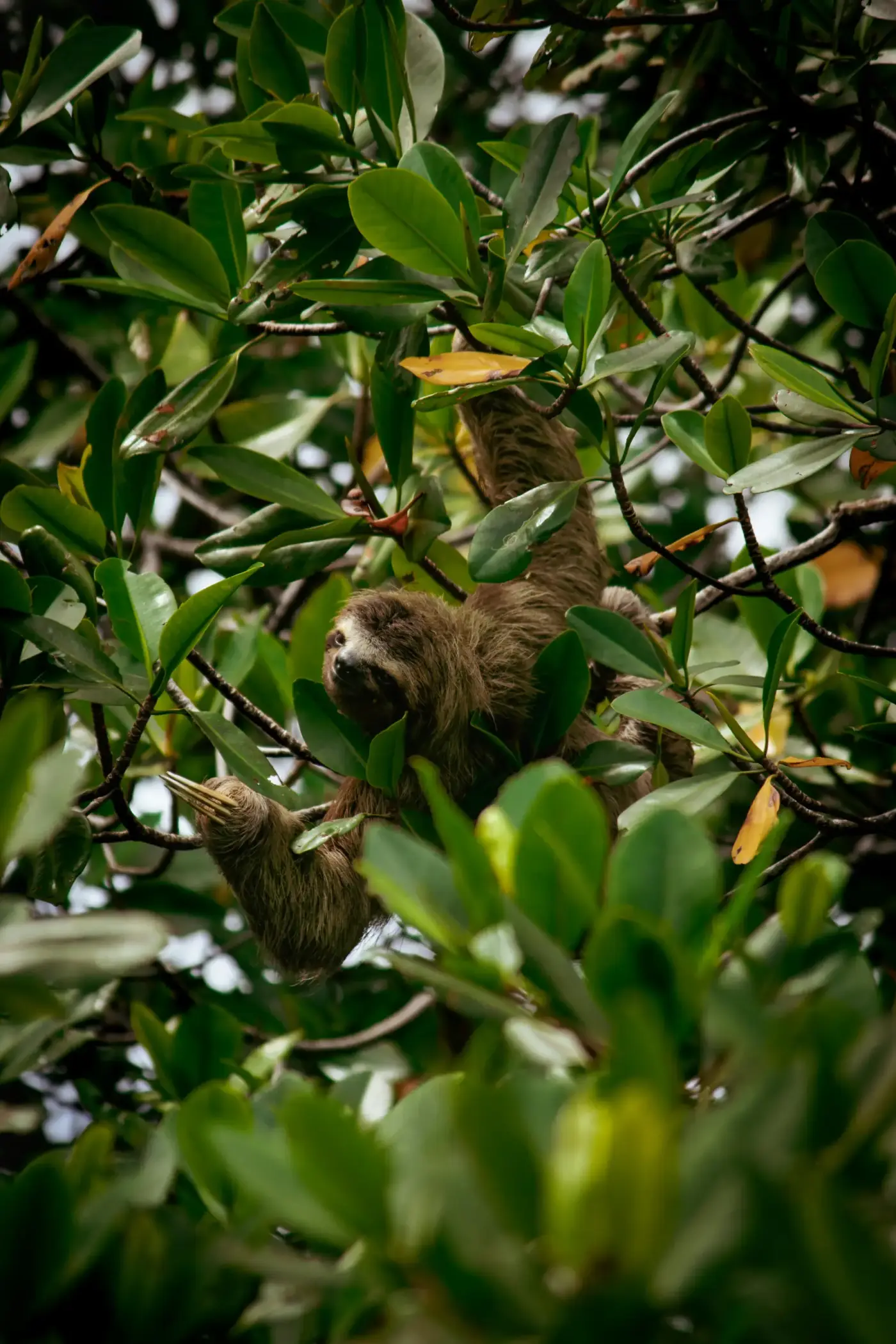
Sloths are the animal most visitors hope for, and the mangroves are a good place to find one. A local captain slows the boat and drifts in among the roots while everyone looks up into the branches, because a sloth in a tree looks a lot like a bundle of leaves until it moves. Both three-toed and two-toed sloths live in the archipelago. Bring patience and a camera with some zoom. When you spot one, the whole boat goes quiet, which is a nice thing to witness.
Red frogs on Bastimentos
Red Frog Beach, on Isla Bastimentos, takes its name from a tiny red frog, the strawberry poison dart frog. It is about the size of a fingernail, bright red, and often has blue legs, and its color changes from island to island. You find it on the forest floor and in the leaf litter near the trail to the beach, usually by looking slowly at the ground and letting your eyes adjust.
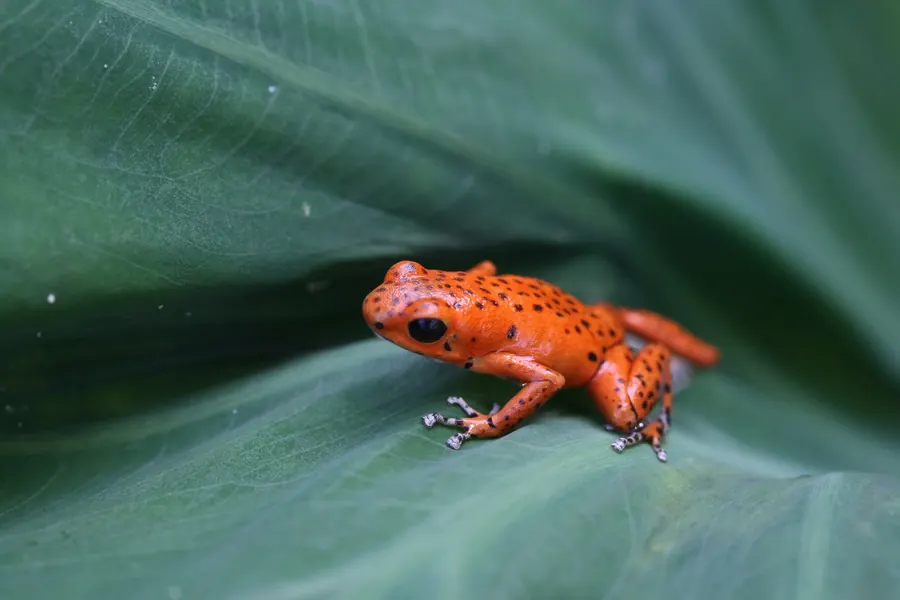
Look, take your photo, and leave the frog where it is. The skin carries toxins, and handling a frog harms it. The waves at Red Frog Beach can also be strong, with rip currents when the surf is up, so it is a better place for a walk and a look around than a long swim.
Dolphins in Dolphin Bay
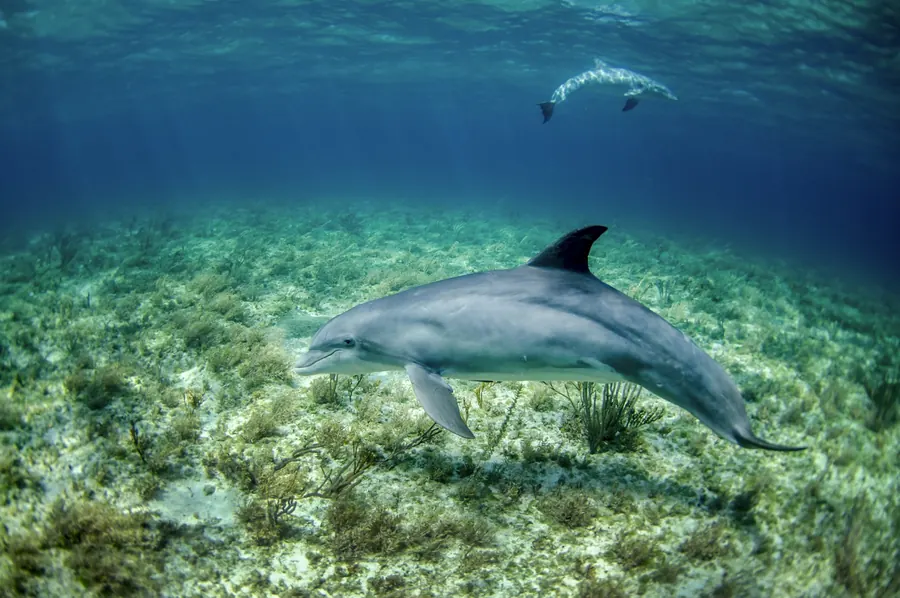
Bottlenose dolphins live in Dolphin Bay all year. Calm mornings are the time to find them, when the water is smooth and you can see the fins break the surface from a distance. Ask your captain to idle the engine and let the dolphins decide how close to come. Do not chase them, swim toward them or try to touch them. They often come in close on their own terms.
Starfish at Playa Estrella
On the north side of Isla Colón, the water at Playa Estrella (Starfish Beach) is shallow and clear, and starfish rest on the sandy bottom. It is easy for kids and fun for everyone. Look at the starfish where they lie, and please do not lift one out of the water for a photo. They cannot breathe out of the water, and even a short time in the air can hurt them.
Birds
Toucans and parrots live in the forests of the islands, and you often hear them before you see them. Early morning is a good hour for it, with the light soft and the birds active. The seabird stop is Swan Cay, also called Isla Pájaros, a small rocky island off Isla Colón where brown boobies and red-billed tropicbirds nest. Boats pass alongside, and you watch from the water, because the island is protected and landing is not allowed. A pair of binoculars turns a day on the water into a birding trip.
Monkeys
Howler monkeys and white-faced capuchins both live in the archipelago, and howlers are the ones you are most likely to hear. Their deep roar carries across the water around dawn. A short boat ride away there is also Monkey Island, where monkeys come down to the water to meet the boat. Keep your food in the bag, and do not feed them or hold your hand out, since a monkey that learns people mean snacks gets into trouble.
Underwater
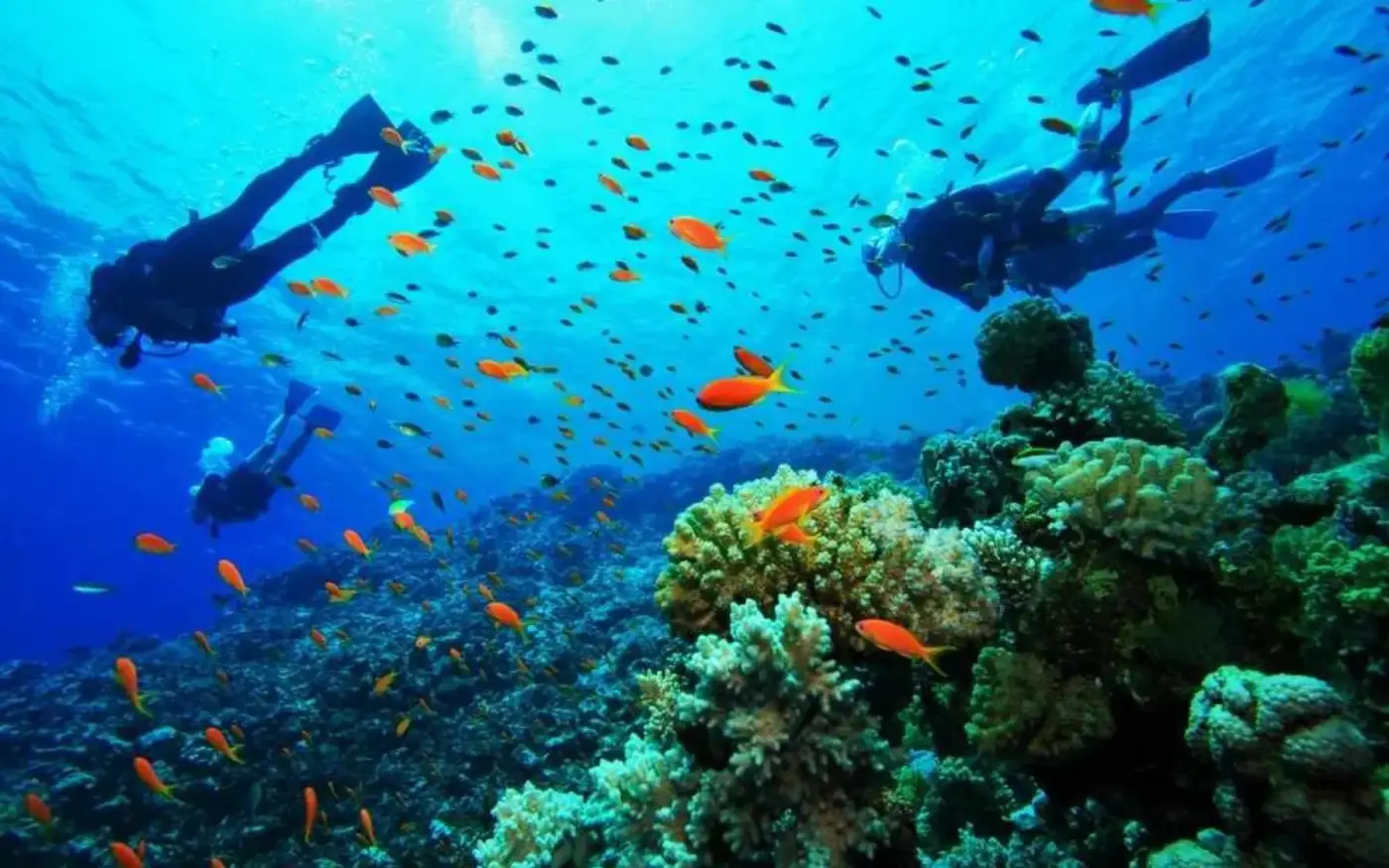
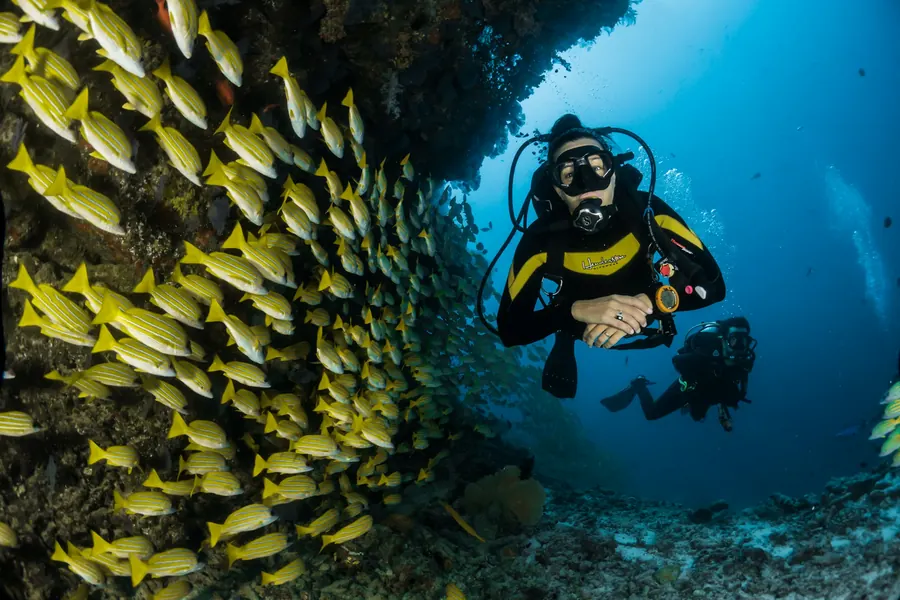
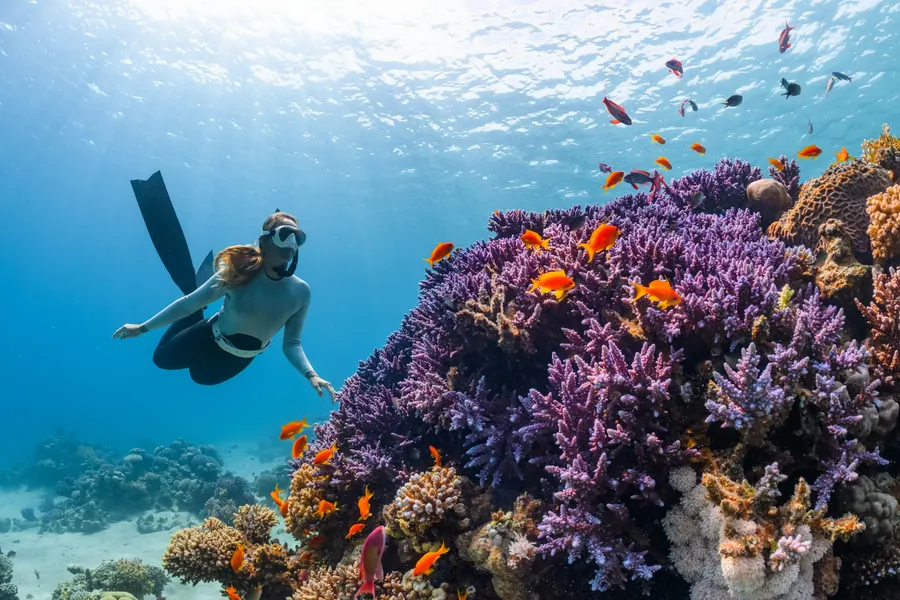
The reefs and the coral heads around the cays hold schools of small fish, and you can snorkel right off our dock, where coral grows under the planks and the fish act like it is their neighborhood. Float and look, and keep your fins off the coral. Coral is alive, and one kick can break something that took years to grow.
Watching animals the right way
- Look, do not touch. Sloths, frogs, starfish and monkeys are all better off when we keep our hands to ourselves.
- Do not feed anything. Fed animals lose their wariness and their natural diet.
- Keep your distance and your voice low. If an animal changes what it is doing because of you, step back.
- Pick a captain who goes slowly. A good captain idles the engine near wildlife and lets the animals set the pace.
- Take your trash with you. That includes sunscreen wrappers and snack bags.
Sloths, frogs, starfish and monkeys are all better off when we keep our hands to ourselves.
Tim and Liz
Fitting it into your days
A single morning boat ride can cover several of these. When you stay with us, tell us which animals you most want to see, and we arrange the captain and plan the route. Our things to do in Bocas del Toro page has the wider list, the excursions page shows what we can set up, and the itinerary guide turns it into day-by-day plans. For the island itself, see where you stay and our rates.
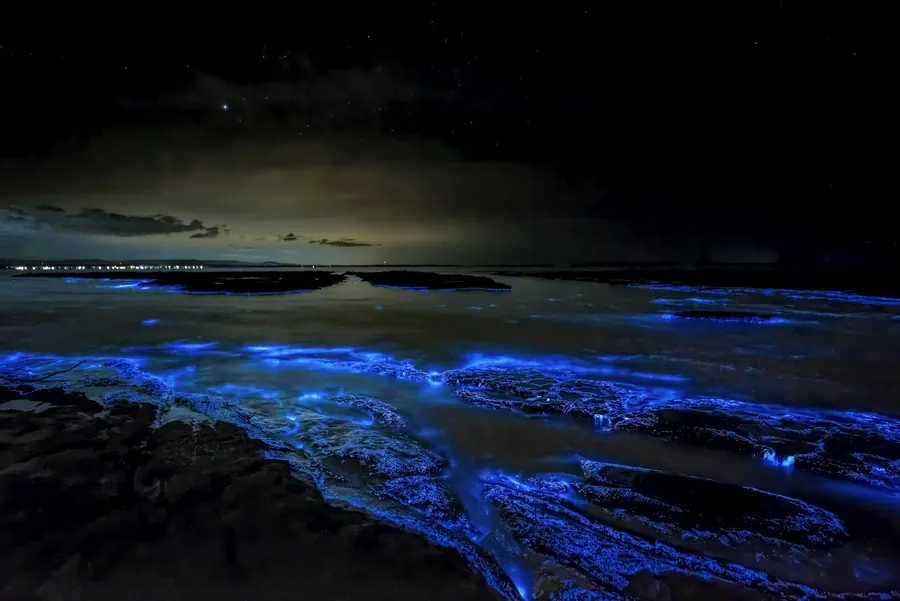 Bioluminescence in BocasThe water that lights up around your hands on a dark night, and how to see it.
Bring your binoculars
Tell us which animals you most want to see, and we will plan the mornings around them with a captain who knows where to look.
Book the islandAsk us a questionFrequently asked questions
- Where can you see sloths in Bocas del Toro?
- The mangroves are a good place. A local captain takes the boat slowly in among the roots while everyone looks up into the branches.
- Why is it called Red Frog Beach?
- The beach on Isla Bastimentos is named after the tiny red strawberry poison dart frog that lives in the forest nearby. Look at it without touching it, because its skin carries toxins.
- When can you see dolphins in Bocas del Toro?
- Bottlenose dolphins live in Dolphin Bay all year. Calm mornings are the best time to find them.
- Can you touch the starfish at Playa Estrella?
- Please do not. Starfish cannot breathe out of the water, so look at them where they rest and leave them in the shallows.
- What birds can you see in Bocas del Toro?
- Toucans and parrots live in the island forests. Swan Cay, also called Isla Pájaros, is a seabird island where brown boobies and red-billed tropicbirds nest, and boats pass alongside because landing is not allowed.
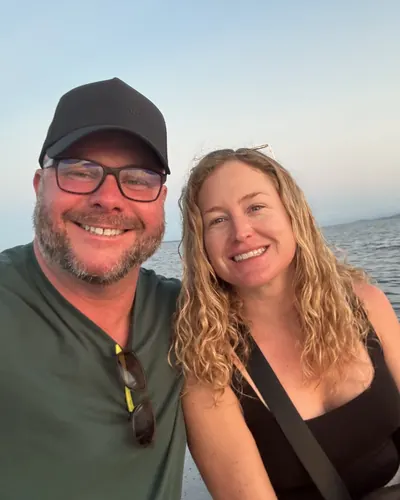
Written by Tim and Liz
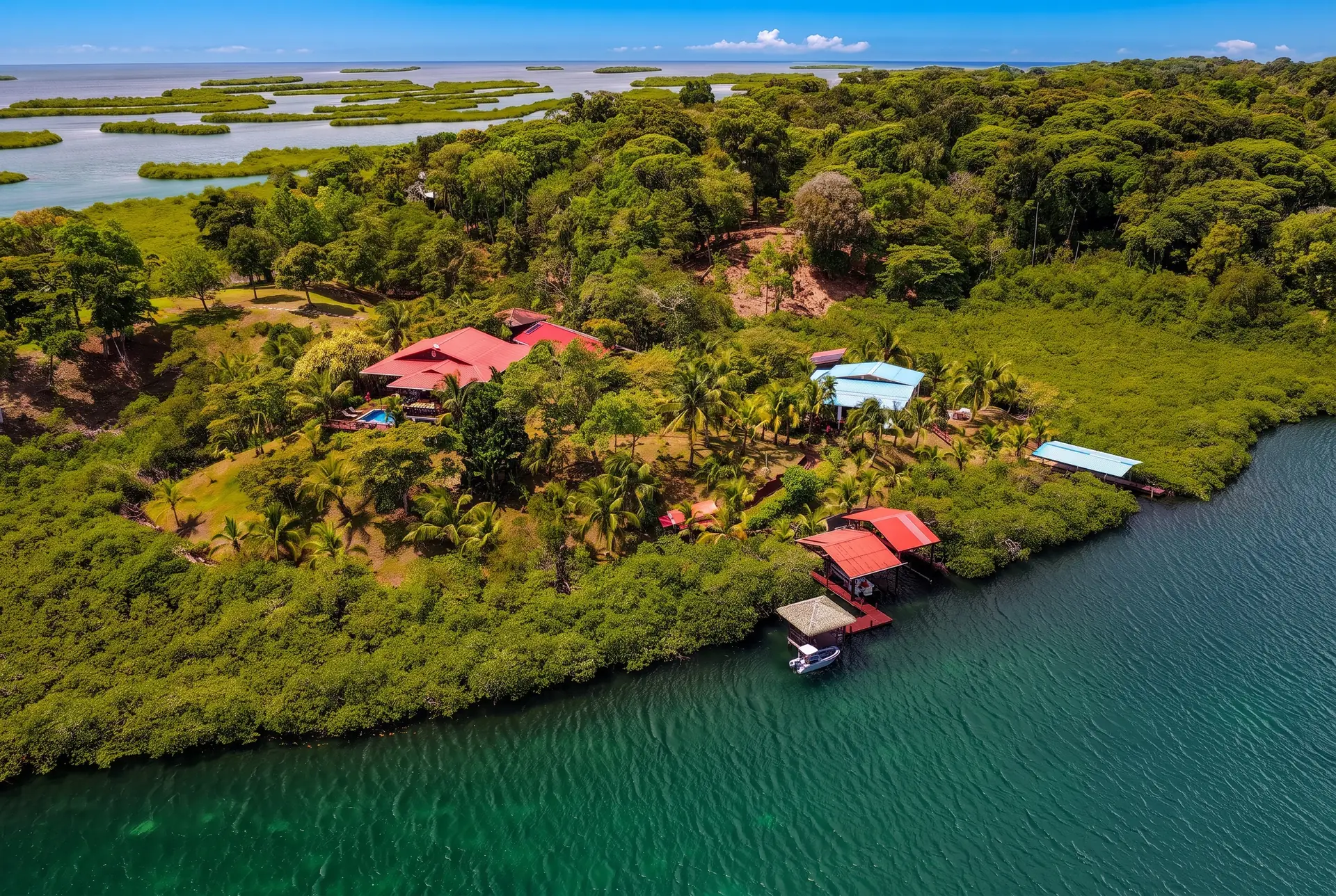
We run Dia Bonito Resorts, a private island just off Isla Solarte in Bocas del Toro. These guides come from the trips we plan for our own guests. If something here has changed, tell us and we will fix it.